In Sickness and In Health
Some parts of our vows sound poetic on a wedding day. Because it is tradition, we recite vows before they become real. But these vows specifically, like the ones last week, are vows that life gives weight. And if I am honest, these vows are deeply personal in my own story.
Many of you that know us, know that we almost lost James. And that changed everything. But if you talk to our children, family, and close friends, they will tell you life changed for us early in our marriage when sickness changed our lives and family dynamic. Hospitalization and quietness in our home became routine as I went from specialist to specialist to find out what was happening to my body. Eventually, praise God, we learned our to manage our diagnosis to enjoy a good quality of life.
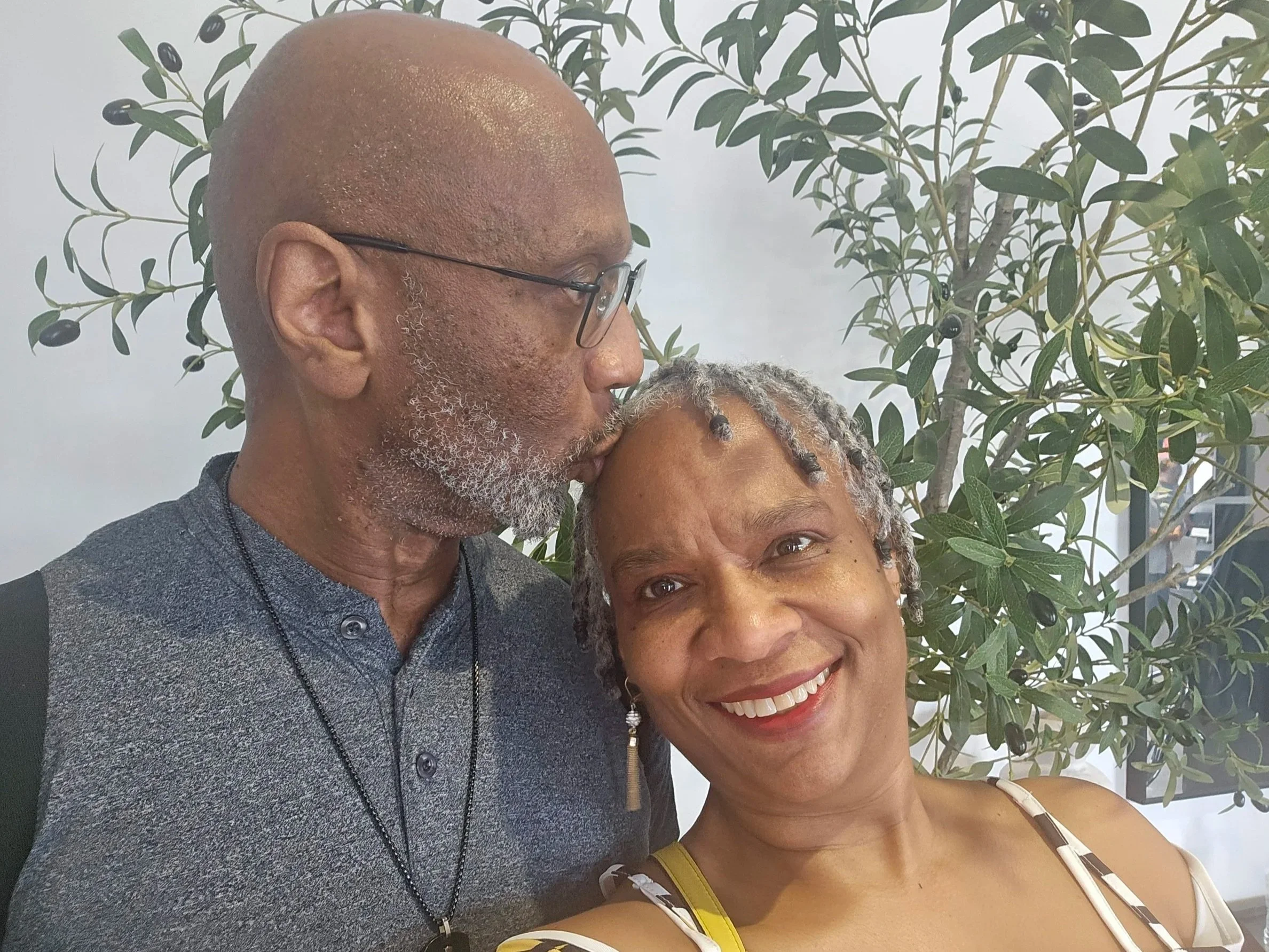
What does “In sickness and in health” mean? An example that I often share is an early memory of my marriage. As you know, music is an important element of our love story. James and I enjoyed Flashback festivals in Atlanta when they occurred annually back in the day. This particular concert, I know the Gap Band was scheduled to perform because they were one of my favorite groups (yes, I still enjoy Charlie Wilson to this very day.). But I had an episode right in the middle of the entertainment. I didn’t know what was happening because I was unconscious, but I remember clear as day that my husband picked me up to carry me across his shoulder to our car to get me out of the crowd to medical care right away. I remembered being carried.
What does “In sickness and in health” mean? To me, it means to be carried. Not only in the physical reality of my story and memory, but emotionally and all the things that goes with being a present partner through illness, disease, body aches and pains, simple or unimaginable. This part of our vows often creates perspective.The little things became little again and the unimportant things lost their grip.
Yes, life changed, way back when as well as when James’ trauma turned our world upside down. But God. I’m still managing my health. James is still here, living and doing well. Yes, there are things we lost. But what remains is gratitude. These experiences helps love to become sacred in a different way.
Yes, I still mourn some things.
But I rejoice even more because I was given another chance to walk beside the man I love. And I do not take that lightly. We live our vows daily. That is what “In sickness and in health” means to us.
Living our vows is covenant. Take some time to talk about the unexpected if this is a vow that remains a promise you haven’t been required to keep - yet (it will happen!). I encourage you to talk honestly about resilience, caregiving, support, and what faithfulness looks like when life becomes difficult. If you’ve experienced any aspect of this promise, even a common cold could make this vow seem real, take a moment to share one thing you deeply appreciated about how your spouse “carried” you and loved you through whatever you experienced.
Pray with me. Our Heavenly Father, Yahweh (Jehovah) Rapha, Thank You for sustaining love, marriages, and covenant through every season. Teach us to honor our vows with grace, patience, tenderness, and faithfulness. Help us to love one another as you love. Amen.

Living Your Vows
Real talk: Think of traditional vows like the foundation of a home. On the outside, you see beauty represented by the landscape, architectural style, and color. This is represented by your ceremony, the rings, the reception. But underneath the look and beauty is where the important components exist. Foundational essentials include the beams, structure, and intentional design holding everything together. On our blog and social, we’ve been expanding our understanding of ceremony symbols, vows, and popular wedding traditions. In this blog, we’re gently pulling back the curtain on all the promises traditional wedding vows include.
For the most part, traditional vows include, more or less, the following promises. Some couples add their own vows, but many ceremonies include “I take thee, to be my wedded wife (husband), to have and to hold from this day forward, for better, for worse, for richer, for poorer, in sickness and in health, to love and to cherish, till death do us part.”
Allow me to go backwards for us to understand the part of our vows that shows respect and honor. It’s the verbiage in the vow that indicates the bride, or groom, is entering sacred covenant publicly, intentionally, emotionally, spiritually, and legally. In fact, some couples recite this part of their vows with the word “lawful” added (lawful wedded wife, lawful wedded husband). The word lawful matters. It means this relationship is no longer casual, private, temporary, or undefined.
The word wedded means joined. Not temporarily connected but joined to be inseparable. You are connected in such a way where your life, your decisions, everything about you is now connected to the recipient of your vow. Real talk, marriage is the merging of lives. This is why selfishness becomes dangerous in marriage. Because once lives are joined, selfish decisions result in shared pain.
We’ve already explored vows through for better, for worse. Our next post, we’ll begin with for richer, for poorer. I would love to hear your thoughts about everything we’ve reviewed so far, and even, thoughts about vows overall. How do you honor your vows as you live in covenant.

Are you keeping your promise to live “For Better, For Worse”?
Real talk family. For better or worse are words that are easy to say in a beautiful wedding ceremony. Truth is that most couples do not fully understand this vow until life begins to unfold because everyone imagines the “better” without anticipating the “worse” being a part of their future. It’s true. The better is easy to picture in marriage as we stand in front of one another to confidently share this important part of our vows. We imagine better to include all of the joy, laughter, milestones, celebrations, romance, answered prayers, and every aspect of the good seasons we associate with love. When we understand and even imagine that “worse” will come in our relationships, we can plan to let those difficult seasons strengthen our bond with one another.
For better, for worse is where covenant words become more than poetry, but practiced, chosen, and lived. “For worse” does not mean to expect your life or marriage to be miserable or always painful. It is in your vows for you to enter marriage with the understanding that real life will come. Real life includes good and bad. There will be stress, disappointment, misunderstanding, unexpected hardship as well as seasons that test your patience, maturity, and resilience. It is during those times that the sacred weight of our vow is realized.
This part of our vows is a commitment to remain present when life is difficult, when emotions are tender, when pressure is high, and when love requires maturity and endurance. But remember, it also addresses and anticipates the beautiful seasons as well.
Take the opportunity during your date night, to discuss some of the better and worse seasons of your relationship. An important question to ask yourself is how you showed up during each season and even more importantly, do you keep God as part of your covenant, the good and bad experiences.
Prayer: Heavenly Father. Thank You for the gift of covenant love. Help us not to fear difficult seasons, but to face them with grace, unity, and trust in You. Strengthen our love so that it remains steady in every season of life. Amen.