What Is a Unity Ceremony?
Real talk family. How are you enjoying our traditional wedding series? Let’s dive right into the unity ceremony. The unity ceremony is an optional part of a wedding when couples perform a symbolic act representing their union. Unlike the exchange of vows, a unity ceremony isn't required for a valid marriage. It is a meaningful tradition couples can personalize to reflect their relationship, culture, faith, family, or values. It is important for the symbol to have meaning before couples give it a place in their ceremony.
Some unity ceremonies are centuries old. Because there are so many options for couples to personalize, this article will only highlight a common few, including the Unity Candle: Two Flames, One Light, which is possibly the most recognizable unity ceremony often practiced even today because the symbolism is so easy to understand. For Christian couples, the candle can also become a beautiful reminder of Christ's presence in their marriage. Jesus said: "I am the light of the world." John 8:12 (NIV)
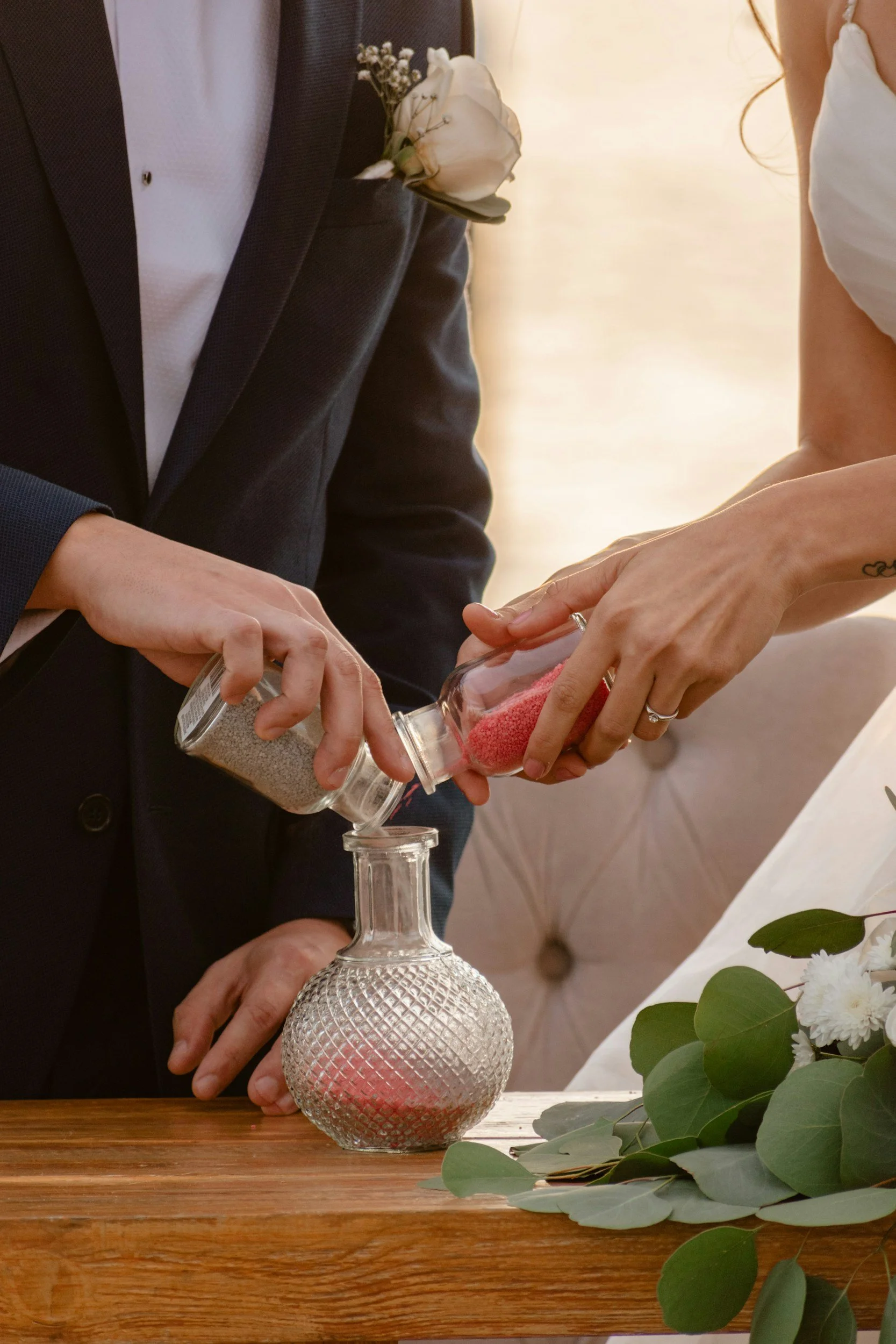
The Unity Sand ceremony, housed in separate containers, often with different colors to symbolize each life, involves the bride and groom pouring their sand into a shared vessel, creating a new pattern that represents their marriage. The beauty is in the permanence. Once the grains are combined, separating every grain back into its original container becomes nearly impossible. However, it also demonstrates the important fact that combining two lives does not mean you lose your identity. You're still yourself.
Another popular ceremony is Handfasting which represents choosing to be bound together. Handfasting is a historic wedding custom in which a couple's hands are joined or bound with cords, ribbons, or fabric. The practice has been associated particularly with Celtic and European traditions, although historical interpretations and modern practices vary. Today, couples may incorporate handfasting as a symbolic representation of commitment, unity, and joining their lives together. Their hands will eventually hold a baby, wipe tears, sign mortgage documents, celebrate victories, and grow older together. That's covenant made visible.
Our last ceremony is the Unity Wine: Sharing One Cup. A unity wine ceremony involves the couple pouring wine into a shared glass or drinking from the same cup. For some couples, the symbolism represents shared life, celebration, hospitality, and the willingness to receive life's experiences together. For Christian couples, the imagery of a shared cup can also invite reflection on biblical themes of covenant and sacrifice.
Unity is built through knowing. Being married doesn't automatically mean being connected. Proximity isn't intimacy. So don’t just plan the symbol, commit to unity in your marriage. I'm so grateful that unity continues to grow in my marriage. I pray the same for your union as well. Small acts of unity, repeated consistently, can change the atmosphere of a marriage.
Wedding Tradition Fact
Unity ceremonies have become increasingly popular in modern weddings. There is no single Christian unity ritual prescribed by Scripture. Couples should enjoy these traditions without confusing symbolism with covenant. Your ceremony simply gives you a beautiful picture of what you've promised.
Reflection Tip
Find a quiet moment with your spouse and complete the following sentences separately then share your answers.
One way I see us becoming more united is...
One area where I would love for us to become more connected is...
What is one thing we can do together this week to strengthen our unity?"
Prayer for Couples
Thank you Father God, in the name of Jesus, for the gift of covenant and for the beautiful opportunity to build a life with someone we love. Help us understand that becoming one is more than a moment in a wedding ceremony. Teach us to practice unity in our everyday lives, decisions, communication, finances, families, dreams, and our faith. Help us protect our connection when life becomes busy. Help us choose partnership when we disagree. Help us serve one another with humility and love.
Where we have become disconnected, bring us back together. Where we have allowed pride to create distance, give us humility. Where we have experienced hurt, bring healing. Above all, help us to keep You at the center of our covenant so that our marriages become a living testimony of Your love, grace, faithfulness, and redemption. In Jesus' name, Amen.
The Wedding Veil
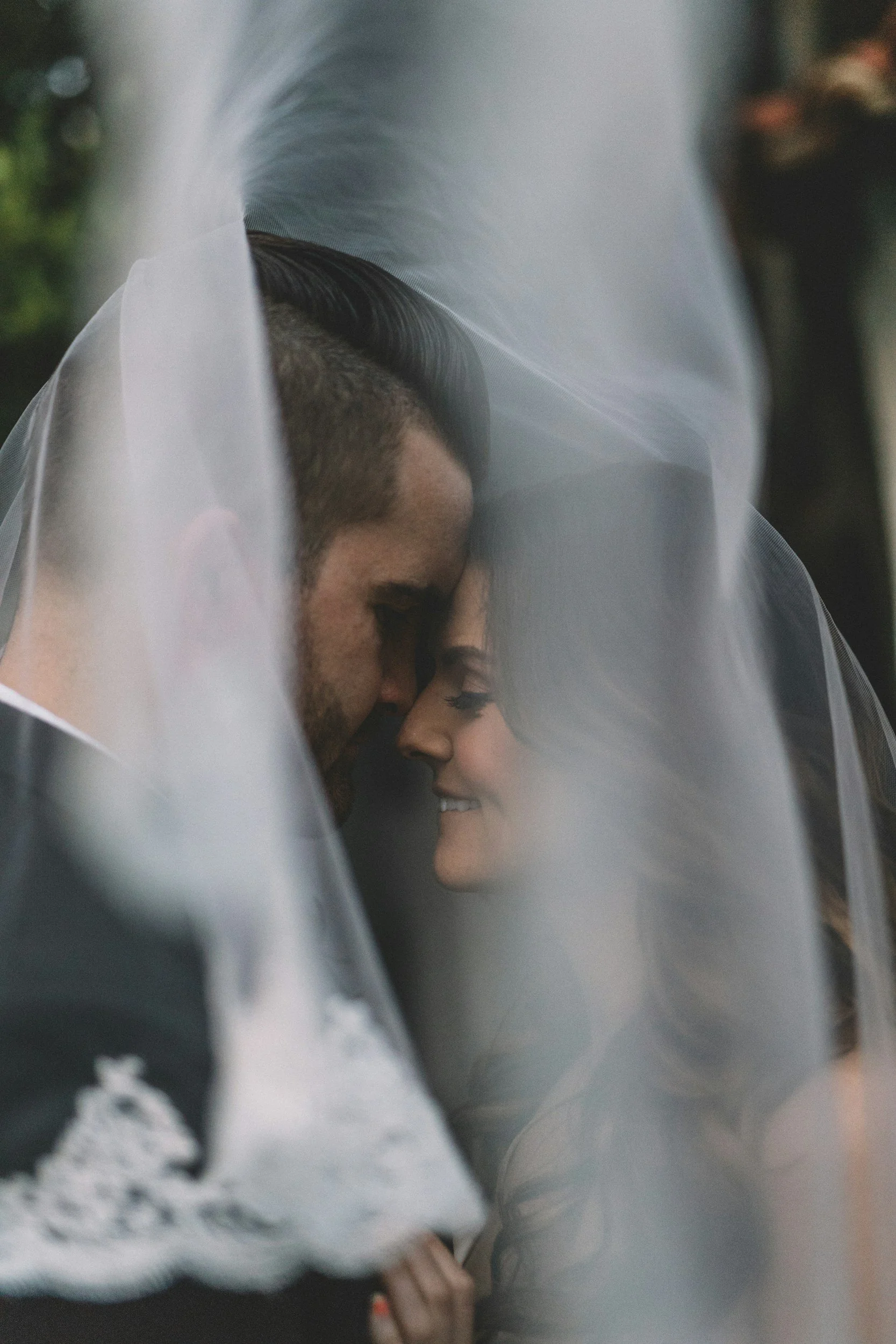
Real talk family. There is something breathtaking about the moment a bride appears at the beginning of the aisle with her face softly covered by a veil. Then comes the moment in the ceremony when the veil is lifted and suddenly, the bride’s face is revealed. This simple tradition easily represents marriage in many ways. Marriage is a lifetime of revealing, discovering, and cherishing one another. Let's explore the history of the veil and then consider what this tradition can teach us about covenant love.
The veil is one of the oldest recognizable wedding traditions. Its traditional meaning changes across cultures and centuries rather than having one universal meaning. Like the herb bouquet in Greece and Rome, the veil was associated with ancient protective beliefs. Then, over time, veiling became associated with modesty, respectability, and marriage in different cultures. The tradition eventually evolved into the beautiful white or ivory veil many Western brides wear on their wedding day today, again popularized by Queen Victoria's 1840 wedding.
I believe that one of the most beautiful ways to view the veil today is through the idea of revelation. Before marriage, there are still things two people don't know about one another. You know the stories you've been told. You know the personality you've experienced and the person you’ve come to love. You know the dreams, accomplishments, hopes, and even some of the disappointments. But days following the ceremony, you begin to experience something deeper. And over time, you discover one another. Revelations occur, truths are revealed, and more is eventually shared than hidden. When the marriage is healthy, you don't run from what you discover. You learn to love the whole person. That is covenant.
One of the greatest gifts James gave me was allowing me to be completely myself in his presence. Even before we became a couple, I could tell him things I wasn't necessarily proud of. I shared painful experiences and revealed parts of myself that I thought was unworthy of love. But James didn't look at those things through judgment. He listened. He knew me and then he chose me. When he eventually told me he loved me, one of the things that overwhelmed me was knowing that he wasn't loving an edited version of me.
I believe that one of the greatest gifts marriage can offer us is the opportunity to be fully known and still deeply cherished.
Today, some brides choose to walk with the veil covering their face and have it lifted during the ceremony. Others wear it behind their head without covering their face. Some don't wear one at all. And that's okay. Wedding symbolism doesn't have to depend upon following one particular tradition. I hope you will use this article about the veil as a reminder to keep discovering one another, stay interested to keep listening, learning, and lifting the veil. The spouse you married will not be the same person you continue to encounter at other ages, stages, and phases of life. Marriage gives us the privilege of growing alongside someone as God continues to shape us.
Wedding Fact
Scripture does not prescribe a wedding veil as part of a Christian marriage ceremony. Veils have been used in wedding traditions across numerous cultures, but their meanings have not been universal.
Reflection Tip
Take a moment this week to ask what your spouse has discovered about you during your marriage. Also ask if there is something they wish you understood better about them. Don’t rush the conversation. Take time to listen carefully to one another for deeper revelations regardless of how much time you’ve been together.
Prayer
Thank You Father God for the gift of marriage and for the privilege of being truly known and loved. Teach us to create a marriage where we don't have to hide from one another. Give us the patience to listen, the humility to learn, and the grace to love what we discover. Help us cherish one another through every season of life. When we discover something difficult, give us compassion. When we discover something beautiful, give us gratitude. May our marriage become a safe place where both of us can grow, heal, laugh, dream, and become more of who You created us to be. Keep our covenant strong. Keep our hearts tender toward one another. In the name of Jesus, Amen.
More Than Beautiful Clothing
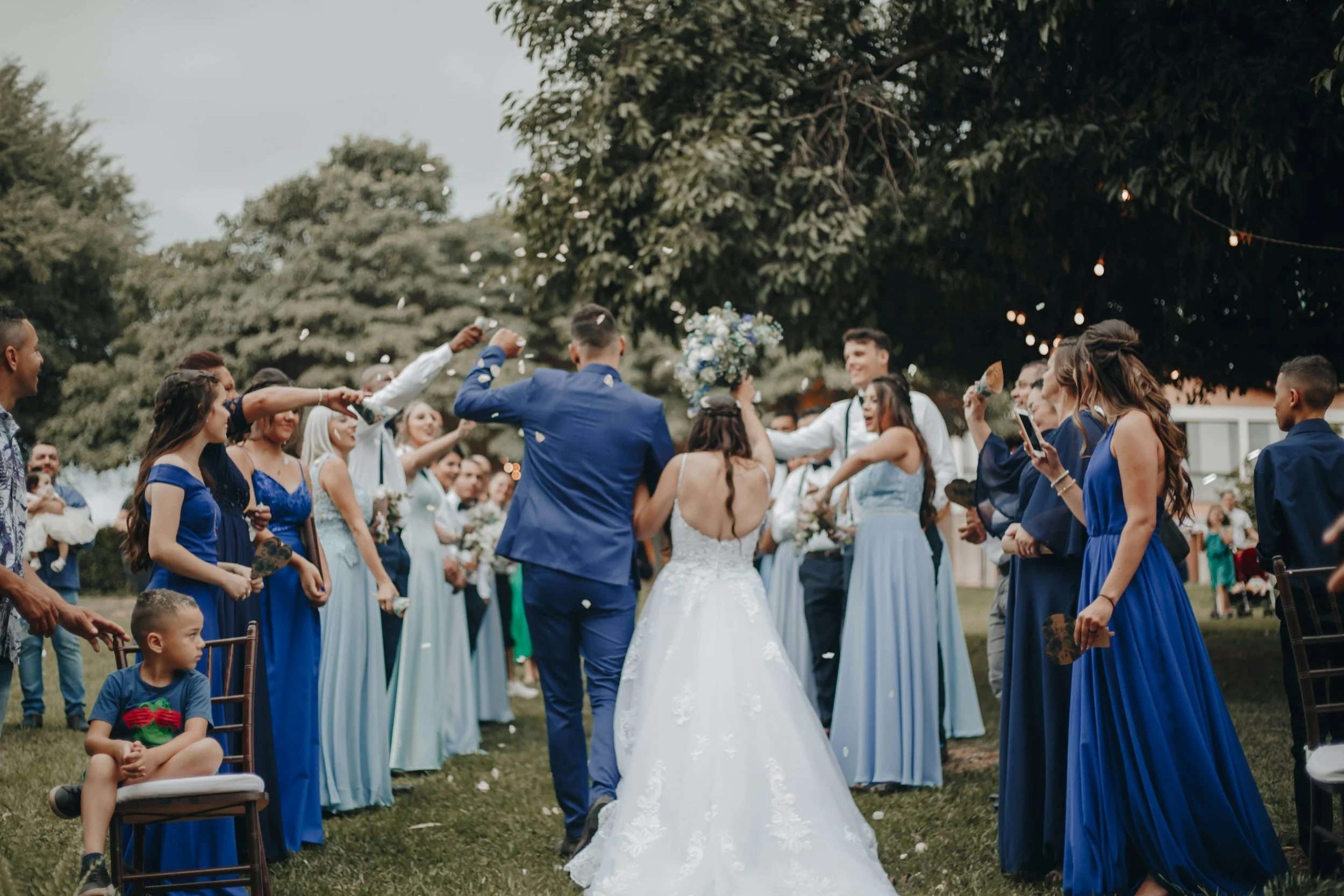
Real talk family, I believe one of the most significant things guests notice on a wedding day is the ceremony’s attire, especially the wedding dress. The room often stands still as the bride walks down the aisle in a beautiful gown while the groom waits in anticipation, dressed in his finest attire. Beside them stand bridesmaids and groomsmen, carefully coordinated, each playing a role in one of life's most sacred celebrations.
These traditions are much more than fashion choices. The wedding attire, the dress selection, the color coordination, the groom’s tuxedo or suit, the full attire ensemble serve as visual reminders that marriage is a covenant worthy of preparation, honor, and celebration. And like many other wedding traditions, everything that occurs during the ceremony must be more about the marriage that follows than the one day of celebration. The wedding dress visually presents the bride for a new beginning with her groom.
Today, many brides choose white, ivory, champagne, or soft blush gowns. White gowns first became popular after Queen Victoria wore a white wedding gown for her marriage to Prince Albert in 1840. Over time, white became more than fashion. Some even associated the white dress with purity or virginity. I believe in a covenant ceremony, the bride’s white dress should serve as a reminder of how God offers each of us new life through His grace.
While much attention naturally focuses on the bride, the groom's attire carries important symbolism as well. A tuxedo, suit, or individual attire preference does not make a husband. But it represents intentional preparation. The groom is not arriving casually. He stands in front of guests to receive his bride to accept the responsibility of becoming one.
Another beautiful aspect of a traditional wedding ceremony is the presence of trusted family members and friends standing beside the bride and groom. Wedding attire represents unity while the tradition reminds us that marriage thrives within community. The wedding party, distinguished by color coordinated attire and designated wedding responsibilities support the couple during wedding planning, throughout the ceremony, and beyond because healthy marriages benefit from relationships with people who pray for us, encourage us, and celebrate us.
Looking back on our own wedding day, I remember seeing James waiting for me with such anticipation and joy. The beautiful attire, the carefully chosen colors, and the smiles of those standing beside us all made the day unforgettable. The promises we made that day are still very much alive. Every act of kindness, every conversation, every prayer together, and every decision to choose one another continues to "dress" our marriage in love.
Wedding Fact
Approximately 82 to 85% of brides in the United States still choose a white, ivory, cream, or champagne wedding gown. A growing number of modern weddings have embraced a wider variety of colors including pastels or something bold and moody.
Reflection Tip
Review one of your wedding photos this week. Remember how the occasion made you feel.
Prayer
Thank you Heavenly Father for the beautiful traditions that remind us of the sacredness of marriage. Help us remember that it is our daily choices that truly clothe our marriage. Teach us to wear compassion, kindness, humility, patience, and love as we honor the covenant we made before You and one another. May our lives reflect the beauty of a marriage centered on Christ. In Jesus' name, Amen.