The Wedding Kiss: The First Expression of Married Intimacy
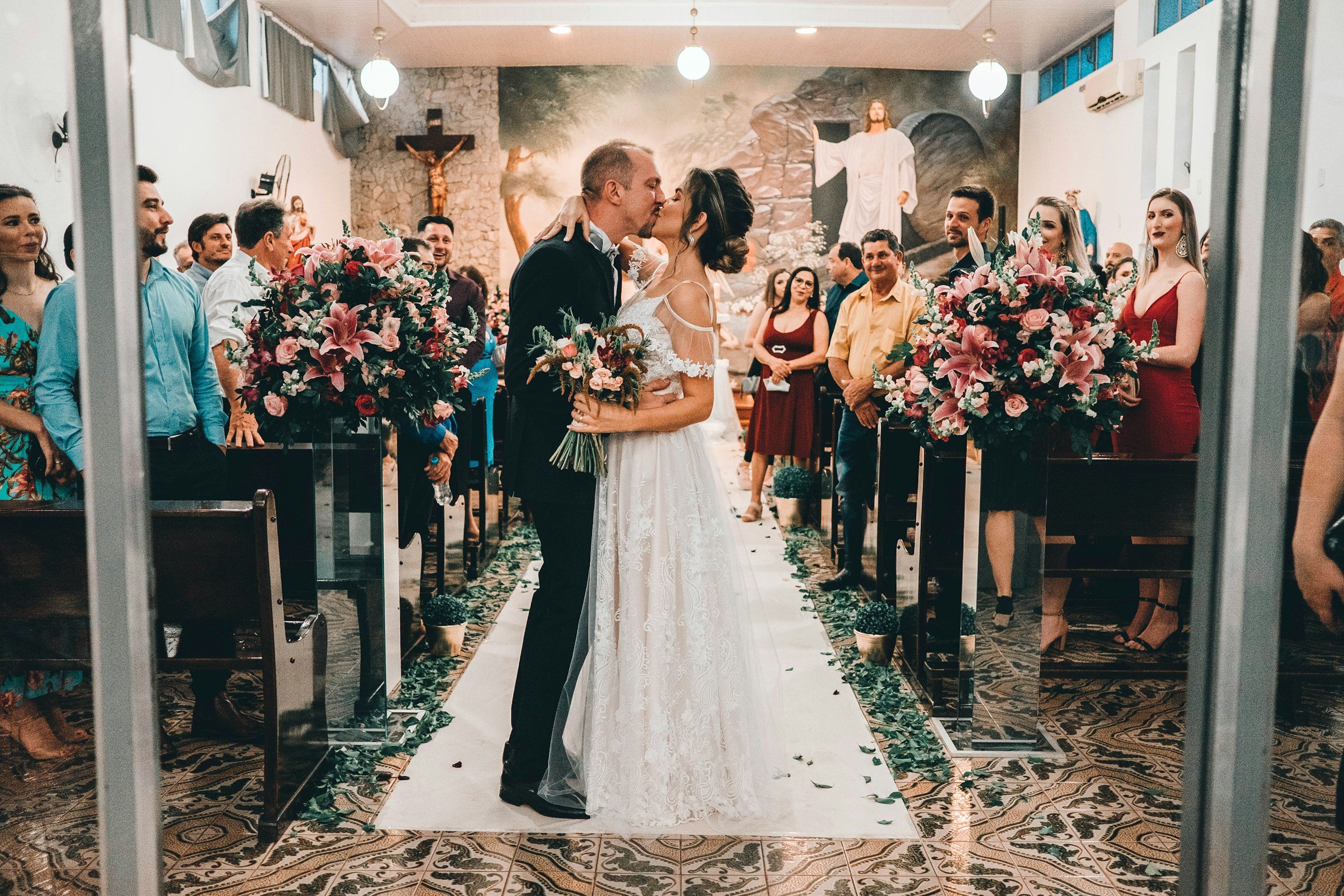
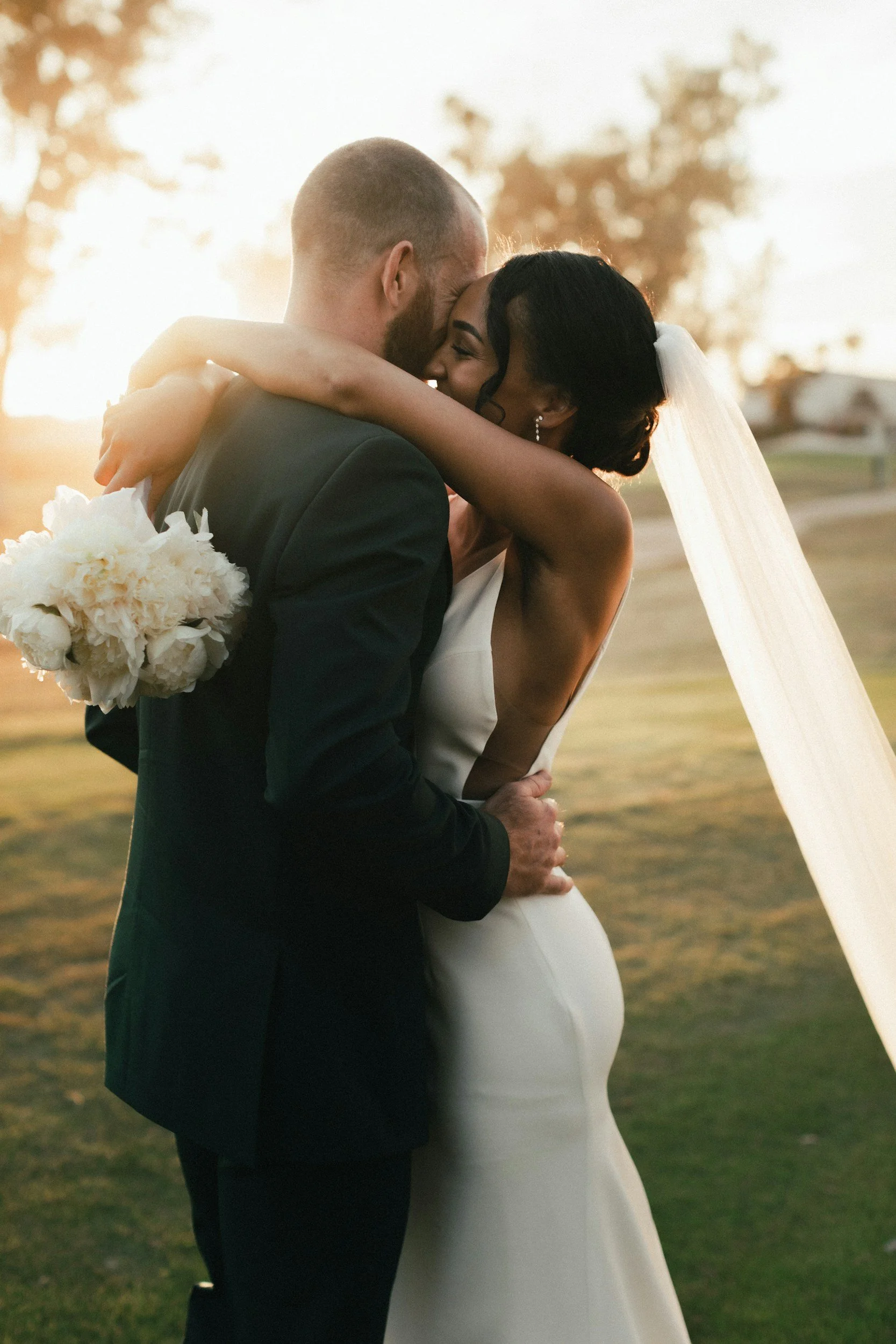
Real talk family. Remember watching the wedding ceremony to the part where the vows have been spoken and the husband is given permission to kiss his bride. Often, the wedding kiss is a special, romantic conclusion to the ceremony. The couple leans toward one another, shares a kiss, and guests erupt in celebration. What I consider so profound about the wedding kiss is that the kissis the beginning of intimacy within the covenant.
The romantic wedding kiss we recognize today developed through a variety of cultural and religious traditions rather than coming from one single origin. Kissing has been part of human relationships for thousands of years with varied meanings. Historical accounts describe a kiss as being associated with the sealing of a marriage agreement, even arranged marriages.
The Bible isn't afraid of romantic love. This may be one of the most beautiful discoveries couples can make when studying Scripture. The Bible doesn't treat marital affection as something embarrassing or something Christians need to avoid talking about. In fact, Song of Songs celebrates romantic attraction, desire, beauty, affection, and intimacy between a man and a woman. The book begins with the bride expressing romantic desire "Let him kiss me with the kisses of his mouth, for your love is more delightful than wine." (Song of Songs 1:2; NIV). This is important as we recognize the wedding kiss as the first expression of covenant intimacy. At times it feels as though we as Christian couples receive plenty of teaching about commitment, responsibility, sacrifice, and service but not enough encouragement to celebrate affection within marriage. Covenant intimacy and physical affection is remarkably beautiful.This is a message I especially want Covenant Strong to continue communicating. Marriage doesn't require Christian couples to be ashamed of passion. God created marital intimacy. The covenant provides a committed relationship in which husband and wife can explore affection, desire, pleasure, vulnerability, and physical intimacy without carrying unnecessary shame or guilt about the fact that they are attracted to one another.
Wedding Tradition Fact
The wedding kiss is one of the most memorable moments of the ceremony that is photographed and included in the photo album or wedding video.
Reflection Tip
Some couples remember their first kiss as husband and wife forever but years later, they barely kiss anymore. Many couples blame business, work life, children, and stress as reasons kissing becomes more of a memory than a habit. But there are simple actions couples can take to enjoy the intimacy of kissing. Start with the simple, common ritual of kissing when you leave and return from home as well as before going to sleep. Don't make affection mechanical. Pause, look at your spouse, and be present. Let the gesture communicate affection rather than simply checking a box. Before long, affection becomes another thing you do. In fact, as you incorporate affection into your day to day, it becomes more meaningful as your marriage grows.
Tonight, sit close to your spouse. Put your phones away, look at each other to each answer the following question: "What is one thing we could do to bring more romance into our marriage?"
Prayer for Couples: Heavenly Father, Thank You for creating marriage as a covenant where love, friendship, affection, companionship, and intimacy can flourish. Help us never become so busy that we stop noticing one another. Teach us to be affectionate, attentive, playful, patient, and present. Where our connection has grown distant, help us find our way back to one another. Where stress has interrupted our intimacy, give us patience. Where insecurity has made affection difficult, give us grace. Help us honor our bodies, our marriage, and the gift of intimacy You have entrusted to us. Keep romance alive in our relationship—not simply as a feeling, but as an intentional expression of love and commitment. Help us remember that the deepest intimacy isn't simply being physically close. It is being known, safe, cherished, and chosen. In Jesus' name, Amen.
What Is a Unity Ceremony?
Real talk family. How are you enjoying our traditional wedding series? Let’s dive right into the unity ceremony. The unity ceremony is an optional part of a wedding when couples perform a symbolic act representing their union. Unlike the exchange of vows, a unity ceremony isn't required for a valid marriage. It is a meaningful tradition couples can personalize to reflect their relationship, culture, faith, family, or values. It is important for the symbol to have meaning before couples give it a place in their ceremony.
Some unity ceremonies are centuries old. Because there are so many options for couples to personalize, this article will only highlight a common few, including the Unity Candle: Two Flames, One Light, which is possibly the most recognizable unity ceremony often practiced even today because the symbolism is so easy to understand. For Christian couples, the candle can also become a beautiful reminder of Christ's presence in their marriage. Jesus said: "I am the light of the world." John 8:12 (NIV)
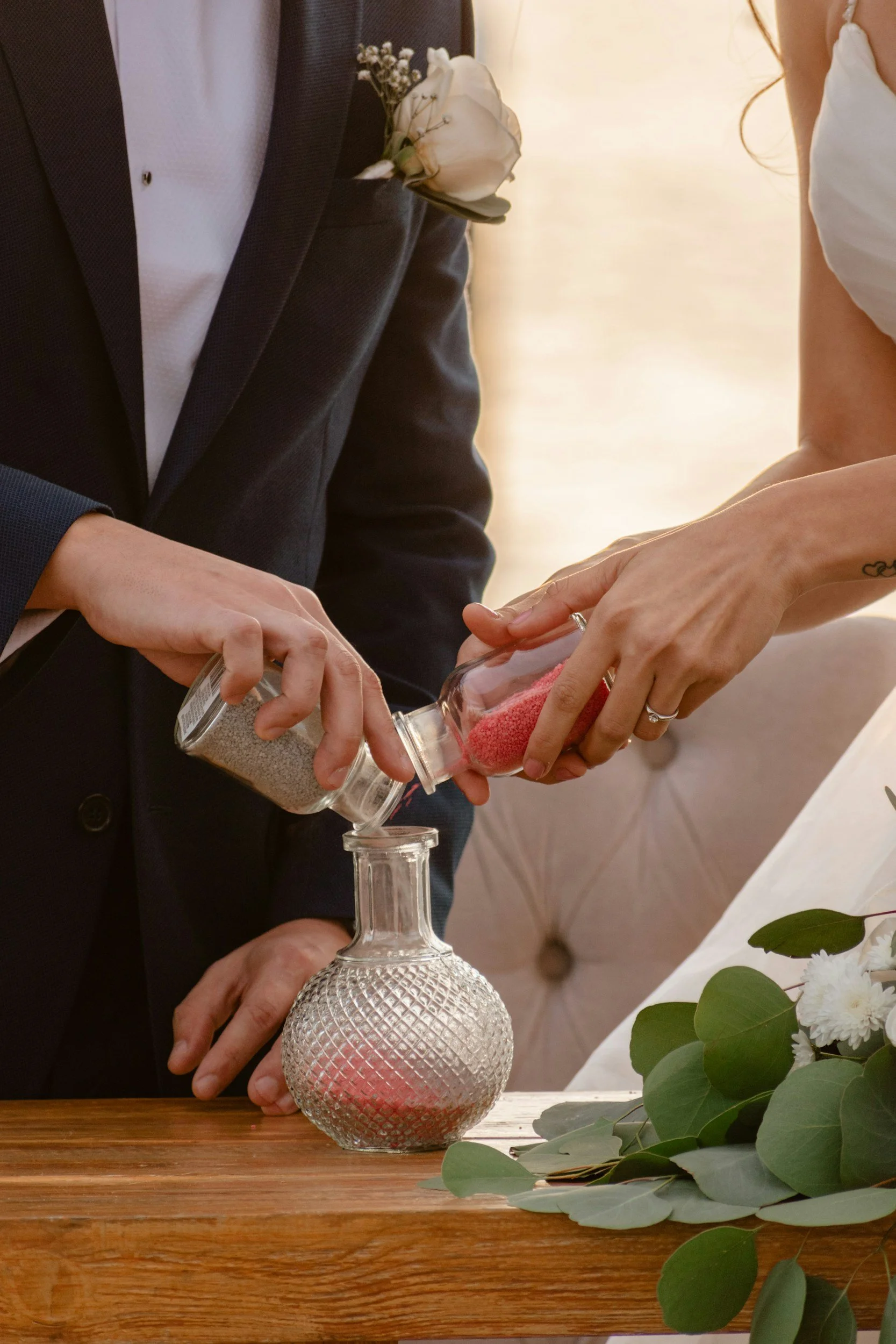
The Unity Sand ceremony, housed in separate containers, often with different colors to symbolize each life, involves the bride and groom pouring their sand into a shared vessel, creating a new pattern that represents their marriage. The beauty is in the permanence. Once the grains are combined, separating every grain back into its original container becomes nearly impossible. However, it also demonstrates the important fact that combining two lives does not mean you lose your identity. You're still yourself.
Another popular ceremony is Handfasting which represents choosing to be bound together. Handfasting is a historic wedding custom in which a couple's hands are joined or bound with cords, ribbons, or fabric. The practice has been associated particularly with Celtic and European traditions, although historical interpretations and modern practices vary. Today, couples may incorporate handfasting as a symbolic representation of commitment, unity, and joining their lives together. Their hands will eventually hold a baby, wipe tears, sign mortgage documents, celebrate victories, and grow older together. That's covenant made visible.
Our last ceremony is the Unity Wine: Sharing One Cup. A unity wine ceremony involves the couple pouring wine into a shared glass or drinking from the same cup. For some couples, the symbolism represents shared life, celebration, hospitality, and the willingness to receive life's experiences together. For Christian couples, the imagery of a shared cup can also invite reflection on biblical themes of covenant and sacrifice.
Unity is built through knowing. Being married doesn't automatically mean being connected. Proximity isn't intimacy. So don’t just plan the symbol, commit to unity in your marriage. I'm so grateful that unity continues to grow in my marriage. I pray the same for your union as well. Small acts of unity, repeated consistently, can change the atmosphere of a marriage.
Wedding Tradition Fact
Unity ceremonies have become increasingly popular in modern weddings. There is no single Christian unity ritual prescribed by Scripture. Couples should enjoy these traditions without confusing symbolism with covenant. Your ceremony simply gives you a beautiful picture of what you've promised.
Reflection Tip
Find a quiet moment with your spouse and complete the following sentences separately then share your answers.
One way I see us becoming more united is...
One area where I would love for us to become more connected is...
What is one thing we can do together this week to strengthen our unity?"
Prayer for Couples
Thank you Father God, in the name of Jesus, for the gift of covenant and for the beautiful opportunity to build a life with someone we love. Help us understand that becoming one is more than a moment in a wedding ceremony. Teach us to practice unity in our everyday lives, decisions, communication, finances, families, dreams, and our faith. Help us protect our connection when life becomes busy. Help us choose partnership when we disagree. Help us serve one another with humility and love.
Where we have become disconnected, bring us back together. Where we have allowed pride to create distance, give us humility. Where we have experienced hurt, bring healing. Above all, help us to keep You at the center of our covenant so that our marriages become a living testimony of Your love, grace, faithfulness, and redemption. In Jesus' name, Amen.
Living Your Vows
Real talk: Think of traditional vows like the foundation of a home. On the outside, you see beauty represented by the landscape, architectural style, and color. This is represented by your ceremony, the rings, the reception. But underneath the look and beauty is where the important components exist. Foundational essentials include the beams, structure, and intentional design holding everything together. On our blog and social, we’ve been expanding our understanding of ceremony symbols, vows, and popular wedding traditions. In this blog, we’re gently pulling back the curtain on all the promises traditional wedding vows include.
For the most part, traditional vows include, more or less, the following promises. Some couples add their own vows, but many ceremonies include “I take thee, to be my wedded wife (husband), to have and to hold from this day forward, for better, for worse, for richer, for poorer, in sickness and in health, to love and to cherish, till death do us part.”
Allow me to go backwards for us to understand the part of our vows that shows respect and honor. It’s the verbiage in the vow that indicates the bride, or groom, is entering sacred covenant publicly, intentionally, emotionally, spiritually, and legally. In fact, some couples recite this part of their vows with the word “lawful” added (lawful wedded wife, lawful wedded husband). The word lawful matters. It means this relationship is no longer casual, private, temporary, or undefined.
The word wedded means joined. Not temporarily connected but joined to be inseparable. You are connected in such a way where your life, your decisions, everything about you is now connected to the recipient of your vow. Real talk, marriage is the merging of lives. This is why selfishness becomes dangerous in marriage. Because once lives are joined, selfish decisions result in shared pain.
We’ve already explored vows through for better, for worse. Our next post, we’ll begin with for richer, for poorer. I would love to hear your thoughts about everything we’ve reviewed so far, and even, thoughts about vows overall. How do you honor your vows as you live in covenant.