The Wedding Veil
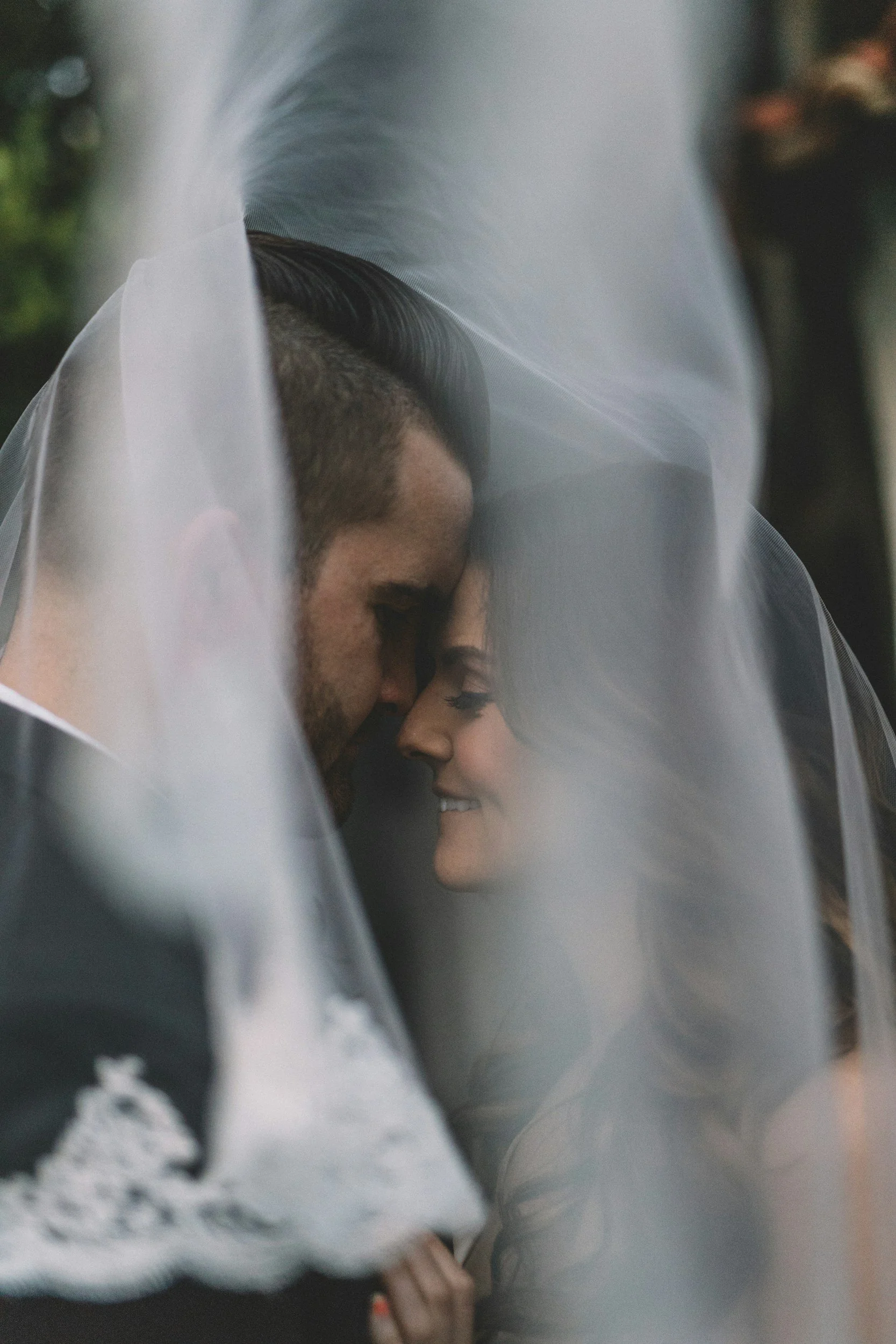
Real talk family. There is something breathtaking about the moment a bride appears at the beginning of the aisle with her face softly covered by a veil. Then comes the moment in the ceremony when the veil is lifted and suddenly, the bride’s face is revealed. This simple tradition easily represents marriage in many ways. Marriage is a lifetime of revealing, discovering, and cherishing one another. Let's explore the history of the veil and then consider what this tradition can teach us about covenant love.
The veil is one of the oldest recognizable wedding traditions. Its traditional meaning changes across cultures and centuries rather than having one universal meaning. Like the herb bouquet in Greece and Rome, the veil was associated with ancient protective beliefs. Then, over time, veiling became associated with modesty, respectability, and marriage in different cultures. The tradition eventually evolved into the beautiful white or ivory veil many Western brides wear on their wedding day today, again popularized by Queen Victoria's 1840 wedding.
I believe that one of the most beautiful ways to view the veil today is through the idea of revelation. Before marriage, there are still things two people don't know about one another. You know the stories you've been told. You know the personality you've experienced and the person you’ve come to love. You know the dreams, accomplishments, hopes, and even some of the disappointments. But days following the ceremony, you begin to experience something deeper. And over time, you discover one another. Revelations occur, truths are revealed, and more is eventually shared than hidden. When the marriage is healthy, you don't run from what you discover. You learn to love the whole person. That is covenant.
One of the greatest gifts James gave me was allowing me to be completely myself in his presence. Even before we became a couple, I could tell him things I wasn't necessarily proud of. I shared painful experiences and revealed parts of myself that I thought was unworthy of love. But James didn't look at those things through judgment. He listened. He knew me and then he chose me. When he eventually told me he loved me, one of the things that overwhelmed me was knowing that he wasn't loving an edited version of me.
I believe that one of the greatest gifts marriage can offer us is the opportunity to be fully known and still deeply cherished.
Today, some brides choose to walk with the veil covering their face and have it lifted during the ceremony. Others wear it behind their head without covering their face. Some don't wear one at all. And that's okay. Wedding symbolism doesn't have to depend upon following one particular tradition. I hope you will use this article about the veil as a reminder to keep discovering one another, stay interested to keep listening, learning, and lifting the veil. The spouse you married will not be the same person you continue to encounter at other ages, stages, and phases of life. Marriage gives us the privilege of growing alongside someone as God continues to shape us.
Wedding Fact
Scripture does not prescribe a wedding veil as part of a Christian marriage ceremony. Veils have been used in wedding traditions across numerous cultures, but their meanings have not been universal.
Reflection Tip
Take a moment this week to ask what your spouse has discovered about you during your marriage. Also ask if there is something they wish you understood better about them. Don’t rush the conversation. Take time to listen carefully to one another for deeper revelations regardless of how much time you’ve been together.
Prayer
Thank You Father God for the gift of marriage and for the privilege of being truly known and loved. Teach us to create a marriage where we don't have to hide from one another. Give us the patience to listen, the humility to learn, and the grace to love what we discover. Help us cherish one another through every season of life. When we discover something difficult, give us compassion. When we discover something beautiful, give us gratitude. May our marriage become a safe place where both of us can grow, heal, laugh, dream, and become more of who You created us to be. Keep our covenant strong. Keep our hearts tender toward one another. In the name of Jesus, Amen.

To Love and To Cherish Til Death Do Us Part
Real talk family. There are many sacred promises hidden inside our traditional wedding vows. One of the most emotional moments for me is when I hear the couple promise “To love and to cherish, till death do us part” Often times, these words indicate we are coming to the end of the ceremony. But not before couples solidify their covenant, for a lifetime, in front of witnesses.
The magitude of our vows normally causes guest to grow quiet. People smile through tears as everyone anticipates the beauty of forever. “To love and to cherish, till death do us part” are promises meant to shape how people live, love, forgive, connect, and remain faithful to one another in their marriage for a lifetime. These words actually are evidence that love was never meant to be casual. As shared in one of my previous blogs, love should not be treated like a feeling that comes and goes. Emotions are too fleeting for that. When emotions are high, love feels easy until life becomes stressful. In fact, some people begin questioning whether love still exists at all when relationships require patience, sacrifice, and growth.
Review all of your vows again. Our traditional vows teaches us that marriage is not sustained by attraction or emotion. Covenant love was never meant to be casual, temporary, or shallow. Our vows share a promise of permanence, security, intimacy, and lasting connection. In fact, research from The Gottman Institute consistently shows that stable commitment strengthens trust, communication, and long-term relationship satisfaction.
Pray with me. Our father. Help us to love each other deeply, intentionally, and faithfully. Help us never treat our marriage casually or neglect the gift of one another’s presence. Show us how to cherish our spouse with patience, kindness, affection, honor, and grace. Strengthen our commitment through every season and help our love reflect safety, joy, loyalty, and covenant. Help our marriage be a reflection of you. Amen.
In Sickness and In Health
Some parts of our vows sound poetic on a wedding day. Because it is tradition, we recite vows before they become real. But these vows specifically, like the ones last week, are vows that life gives weight. And if I am honest, these vows are deeply personal in my own story.
Many of you that know us, know that we almost lost James. And that changed everything. But if you talk to our children, family, and close friends, they will tell you life changed for us early in our marriage when sickness changed our lives and family dynamic. Hospitalization and quietness in our home became routine as I went from specialist to specialist to find out what was happening to my body. Eventually, praise God, we learned our to manage our diagnosis to enjoy a good quality of life.
What does “In sickness and in health” mean? An example that I often share is an early memory of my marriage. As you know, music is an important element of our love story. James and I enjoyed Flashback festivals in Atlanta when they occurred annually back in the day. This particular concert, I know the Gap Band was scheduled to perform because they were one of my favorite groups (yes, I still enjoy Charlie Wilson to this very day.). But I had an episode right in the middle of the entertainment. I didn’t know what was happening because I was unconscious, but I remember clear as day that my husband picked me up to carry me across his shoulder to our car to get me out of the crowd to medical care right away. I remembered being carried.
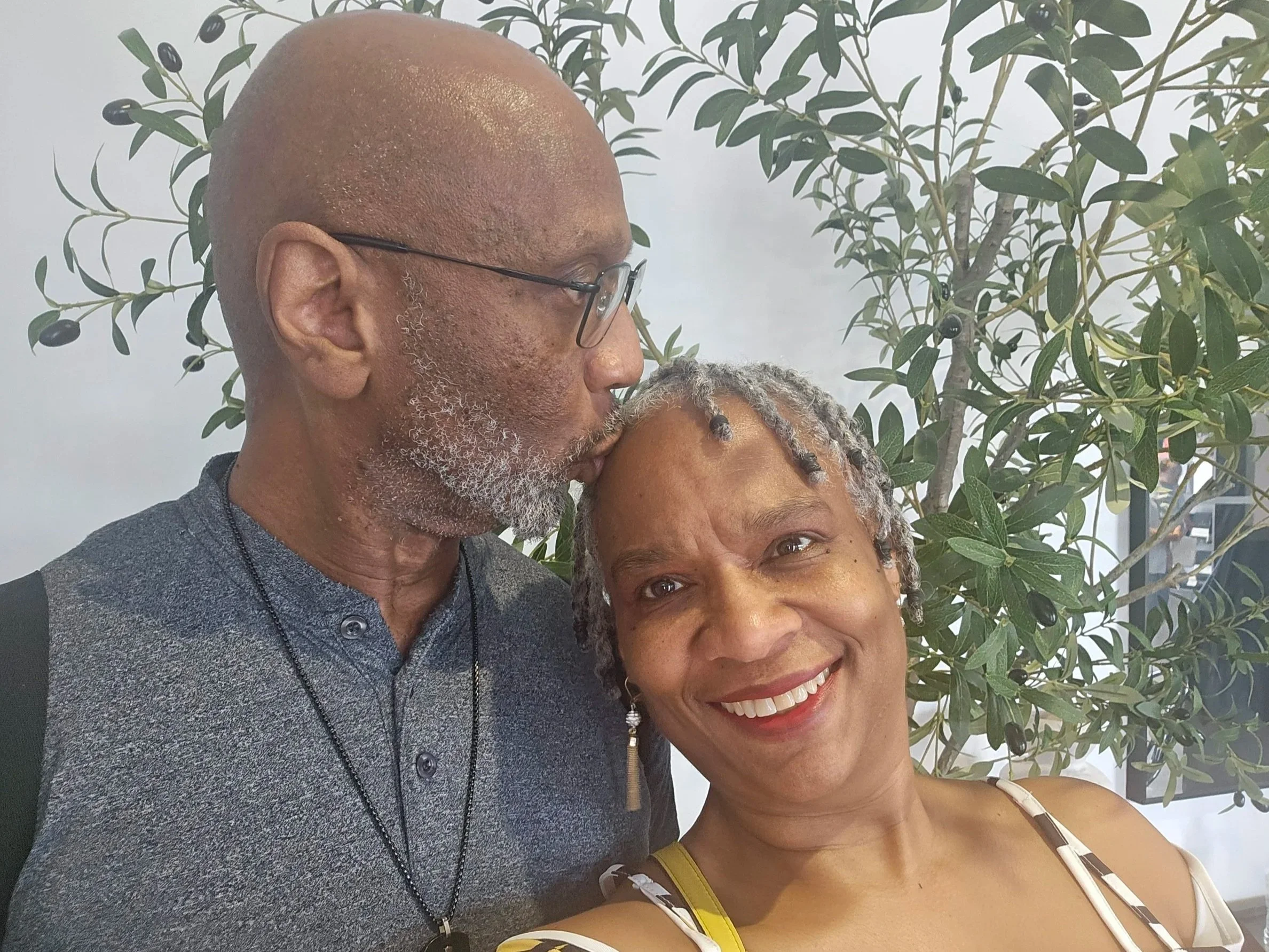
What does “In sickness and in health” mean? To me, it means to be carried. Not only in the physical reality of my story and memory, but emotionally and all the things that goes with being a present partner through illness, disease, body aches and pains, simple or unimaginable. This part of our vows often creates perspective.The little things became little again and the unimportant things lost their grip.
Yes, life changed, way back when as well as when James’ trauma turned our world upside down. But God. I’m still managing my health. James is still here, living and doing well. Yes, there are things we lost. But what remains is gratitude. These experiences helps love to become sacred in a different way.
Yes, I still mourn some things.
But I rejoice even more because I was given another chance to walk beside the man I love. And I do not take that lightly. We live our vows daily. That is what “In sickness and in health” means to us.
Living our vows is covenant. Take some time to talk about the unexpected if this is a vow that remains a promise you haven’t been required to keep - yet (it will happen!). I encourage you to talk honestly about resilience, caregiving, support, and what faithfulness looks like when life becomes difficult. If you’ve experienced any aspect of this promise, even a common cold could make this vow seem real, take a moment to share one thing you deeply appreciated about how your spouse “carried” you and loved you through whatever you experienced.
Pray with me. Our Heavenly Father, Yahweh (Jehovah) Rapha, Thank You for sustaining love, marriages, and covenant through every season. Teach us to honor our vows with grace, patience, tenderness, and faithfulness. Help us to love one another as you love. Amen.